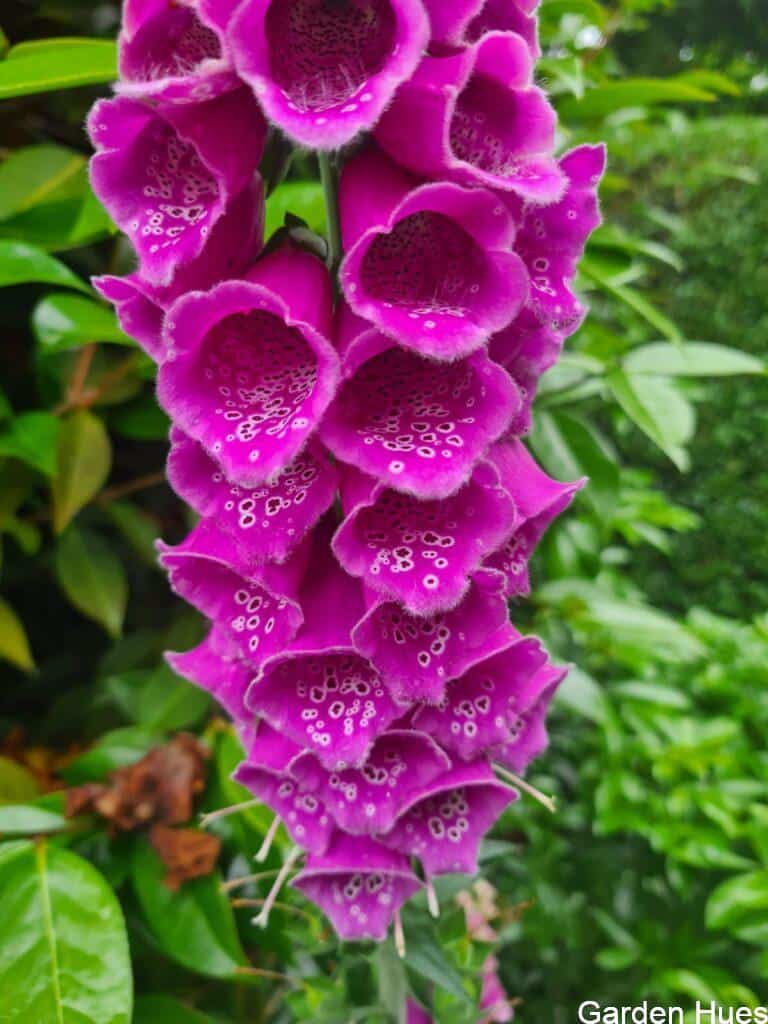
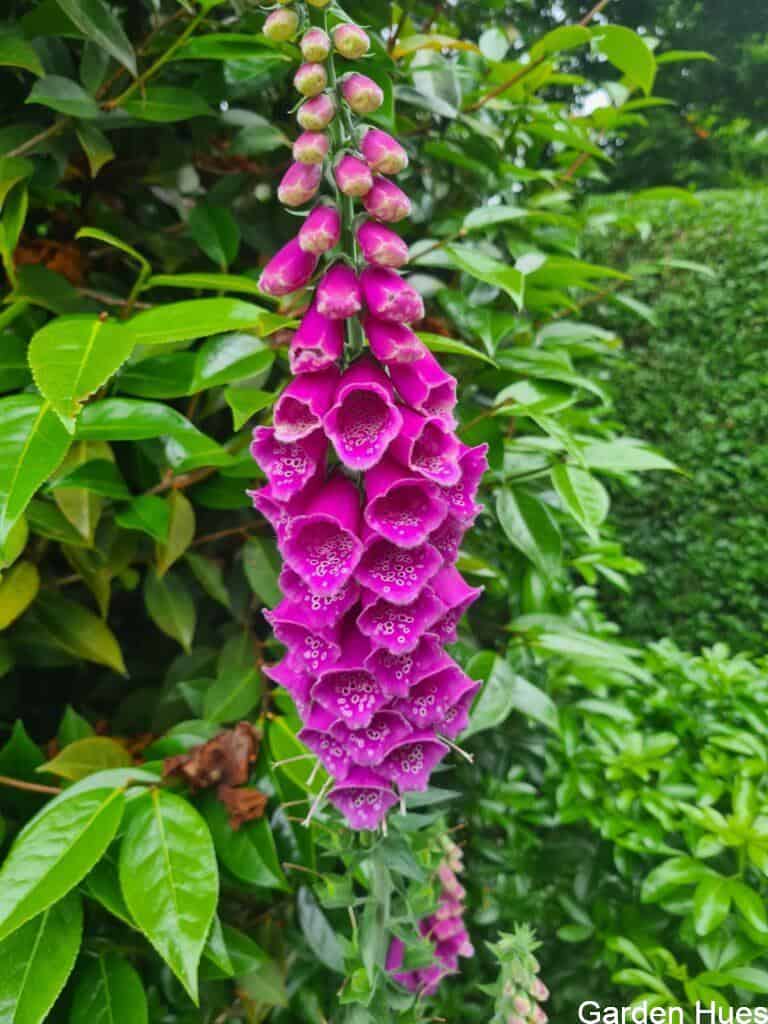
Foxgloves are one of the most striking plants you can grow in a UK garden. Their tall flower spikes, dotted with bell-shaped blooms, bring vertical drama and old-fashioned charm to borders, wild corners and cottage-style planting schemes. They’re not just pretty — they’re also vital for wildlife, especially bumblebees, who can’t resist those nectar-rich flowers.
Popular Types of Foxgloves:
There are several varieties, from the classic native to cultivated hybrids. Here are a few worth knowing:
Digitalis purpurea – The traditional wild foxglove with pink-purple flowers and spotted throats. It self-seeds easily and thrives in dappled shade.
Digitalis ‘Camelot Cream’ – A shorter, more compact hybrid with creamy yellow blooms. Ideal for smaller gardens or front-of-border planting.
Digitalis ‘Sutton’s Apricot’ – Offers a softer, more unusual apricot tone, which looks great mixed with ornamental grasses and darker blooms.
Growing Tips for Foxgloves:
Light: Foxgloves grow best in partial shade, but many varieties will tolerate full sun if the soil stays moist.
Soil: They prefer moist but well-drained soil, rich in organic matter. They don’t like it too dry or too soggy.
Spacing: Allow space for air to move around them — this helps prevent mildew.
Feeding: They usually don’t need feeding, especially in improved soil. But a light mulch of compost in spring helps support flowering.
Support: Taller types may need a bit of staking in exposed gardens.
Biennial habit: Most common foxgloves are biennial, meaning they grow leaves the first year and flower the second. For continuous blooms, plant new ones each year or let them self-seed.
Are Foxgloves Good for Pollinators?
Yes — foxgloves are fantastic for bees, especially bumblebees. Their tubular flowers are designed perfectly for long-tongued pollinators. You’ll often see bees vanish completely inside a bloom, only to emerge moments later dusted with pollen. If you’re aiming to create a pollinator-friendly garden, foxgloves are a top pick.
Important Note:
Foxgloves are toxic if ingested — to humans and pets. So plant them with care in family gardens and always wash hands after handling.