
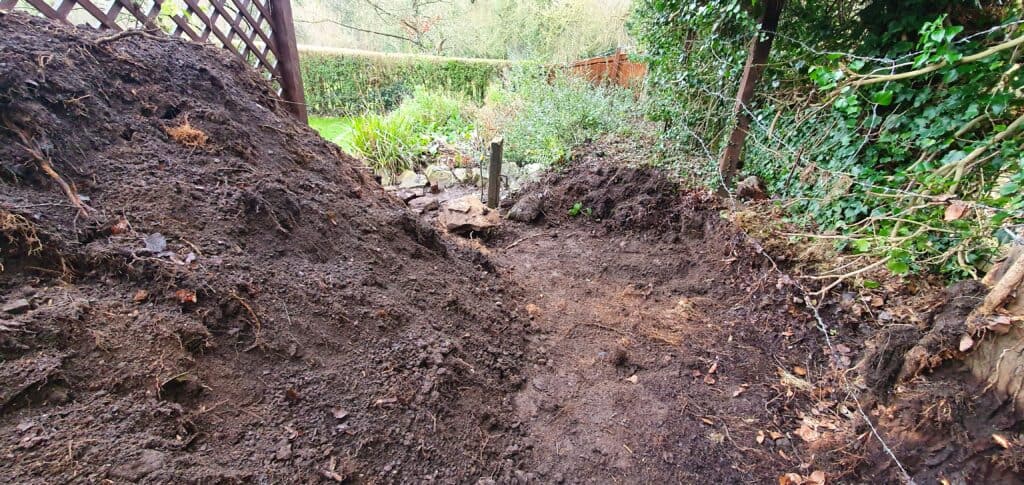
Composting: Turning Garden Waste into Gardening Gold
In every garden, there’s waste — spent plants, fallen leaves, grass clippings and kitchen scraps. But what if I told you that none of it needs to go to waste? In fact, all of it can be transformed into one of the most valuable resources your garden can have — rich, life-giving compost.
Composting is one of the simplest and most powerful ways to work with nature, not against it. It takes what many would throw away and turns it into a free, sustainable alternative to shop-bought compost — saving money, reducing waste and cutting down on the environmental cost of transporting and producing bagged compost.
Waste or Resource? You Decide
What often ends up in a bin — food peelings, garden clippings, even cardboard — is full of nutrients. Through composting, you allow natural processes to break down organic material, returning those nutrients to the soil where they belong.
Every banana peel or handful of weeds you compost is one less item sent to landfill and one less bag of compost you need to buy. It’s about closing the loop — creating a garden that is more self-sufficient and less reliant on outside inputs.
The Cost of Shop-Bought Compost
Bagged compost often comes with a price tag — not just in pounds, but in environmental impact. Transport emissions, plastic packaging and the depletion of natural resources like peat (which many gardeners are now moving away from) all add up.
By making your own compost, you reduce demand for these products while producing something tailored to your garden’s needs — all from materials you already have.
The Benefits of Composting
- 🌿 Improves Soil Health – Compost adds structure, moisture retention and essential nutrients.
- ♻️ Reduces Waste – Keeps organic material out of landfills where it would otherwise contribute to methane emissions.
- 💰 Saves Money – No need to purchase as much (or any) compost, soil improvers, or mulches.
- 🌱 Boosts Plant Health – Compost supports a thriving soil ecosystem, benefiting your plants naturally.
Composting Made Simple
Composting doesn’t have to be complicated. Start with:
- Greens (e.g., fruit & veg scraps, grass clippings, coffee grounds).
- Browns (e.g., dry leaves, cardboard, shredded paper).
- A compost bin or heap, regular turning and a little patience.
In a few months, what was once waste becomes dark, crumbly compost — perfect for mulching beds, improving soil, or potting up plants.
Final Thoughts: From Waste to Worth
Composting is more than just a way to deal with garden waste — it’s a mindset. It’s about seeing value where others see rubbish and about gardening in a way that’s gentle on the planet and kind to your wallet.
Every time you tip a bucket of scraps into your compost bin, you’re investing in your garden’s future — creating a resource that feeds your soil, your plants and ultimately, yourself.
👉 Got composting tips or questions? Drop them in the comments! Let’s help each other garden more sustainably.
Want to see how I compost in my garden? Check out our YouTube video: [https://www.youtube.com/watch?v=k-T2ezwdNKQ&list=PLyXMABEczy5V-tRlW99vuyKb7uMyp4V8W&index=14]