If you’re looking for a clematis that offers something a bit different, Clematis ‘Princess Diana’ might just be the star of your garden. With elegant, tulip-shaped flowers in rich pink tones, this variety brings a refreshing twist to the more familiar flat-faced clematis blooms. Long flowering and easy to train, it’s ideal for arches, obelisks or scrambling through shrubs.
What Makes ‘Princess Diana’ Special?
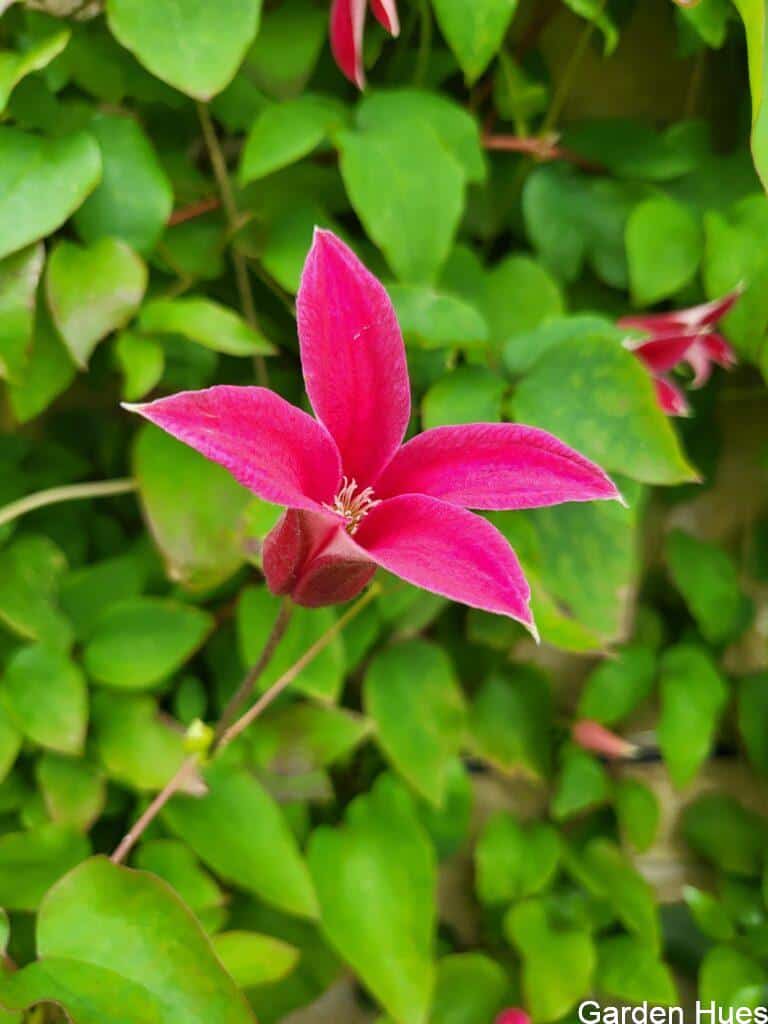
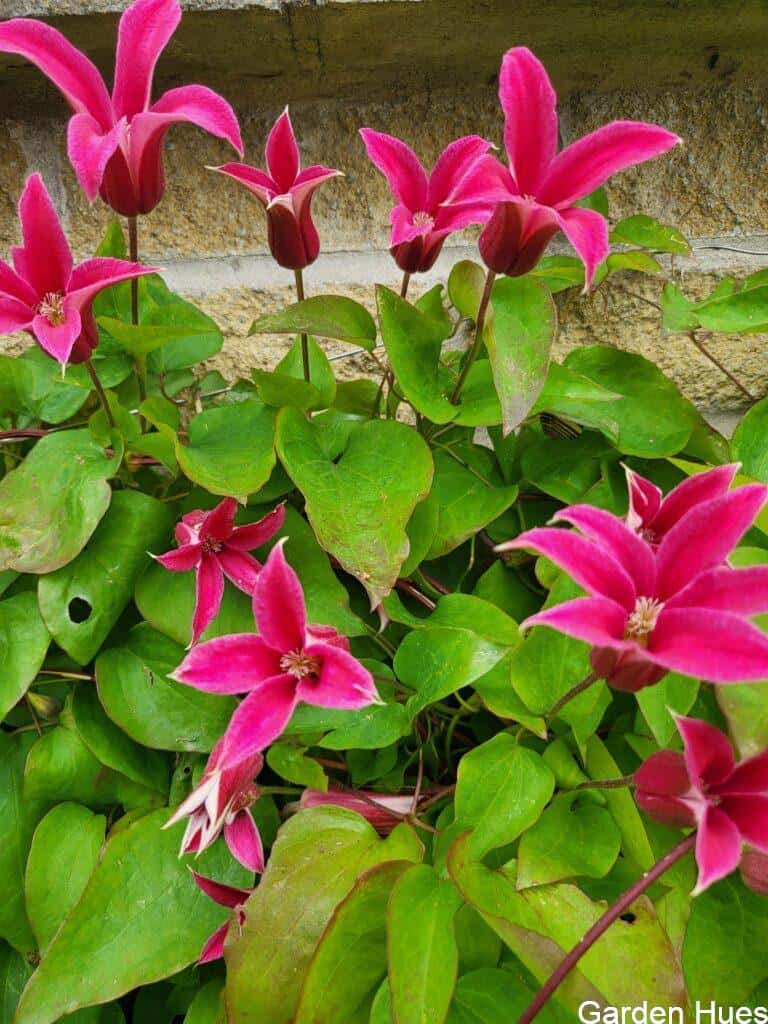
Unlike many clematis, this variety produces narrow, bell-like flowers that resemble miniature tulips. The vibrant rose-pink petals have a satin sheen and slightly curled edges that give the plant a delicate, graceful appearance — a fitting tribute to its royal namesake. It flowers from mid-summer to autumn, giving colour well after many climbers have finished.
Growing Tips for Clematis ‘Princess Diana’:
Position: Loves a sunny or part-shaded spot with protection from harsh midday heat. Great for south or west-facing fences or trellises.
Soil: Prefers moist, well-drained soil. As with all clematis, it likes its roots cool, so plant low and shade the base with stones or companion plants.
Support: Needs something to climb – wires, a trellis, an obelisk, or even a shrub. Tie in new shoots as they grow.
Watering: Water regularly in dry weather, especially in the first season after planting.
Feeding: Feed with a balanced fertiliser in spring and again in mid-summer for the best flower display.
Pruning group: This clematis is in Group 3 – prune it hard in late winter or early spring to about 30–45cm from the ground. It will regrow and flower on new stems each year.
Is Clematis ‘Princess Diana’ Good for Pollinators?
While it’s not the top clematis for pollinators (due to its tubular flower shape), it can still offer some value — especially to small insects and bees that can access the inner parts of the bloom. It’s more of a showstopper for the gardener’s eye, but if paired with open-flowered companion plants, you can create both visual drama and wildlife appeal.
Companion Ideas:
Pair with ornamental grasses, lavender or late-flowering perennials like rudbeckia or echinacea for a vibrant late-summer display.