🌳 Oak Marble Galls: Nature’s Perfect Spheres
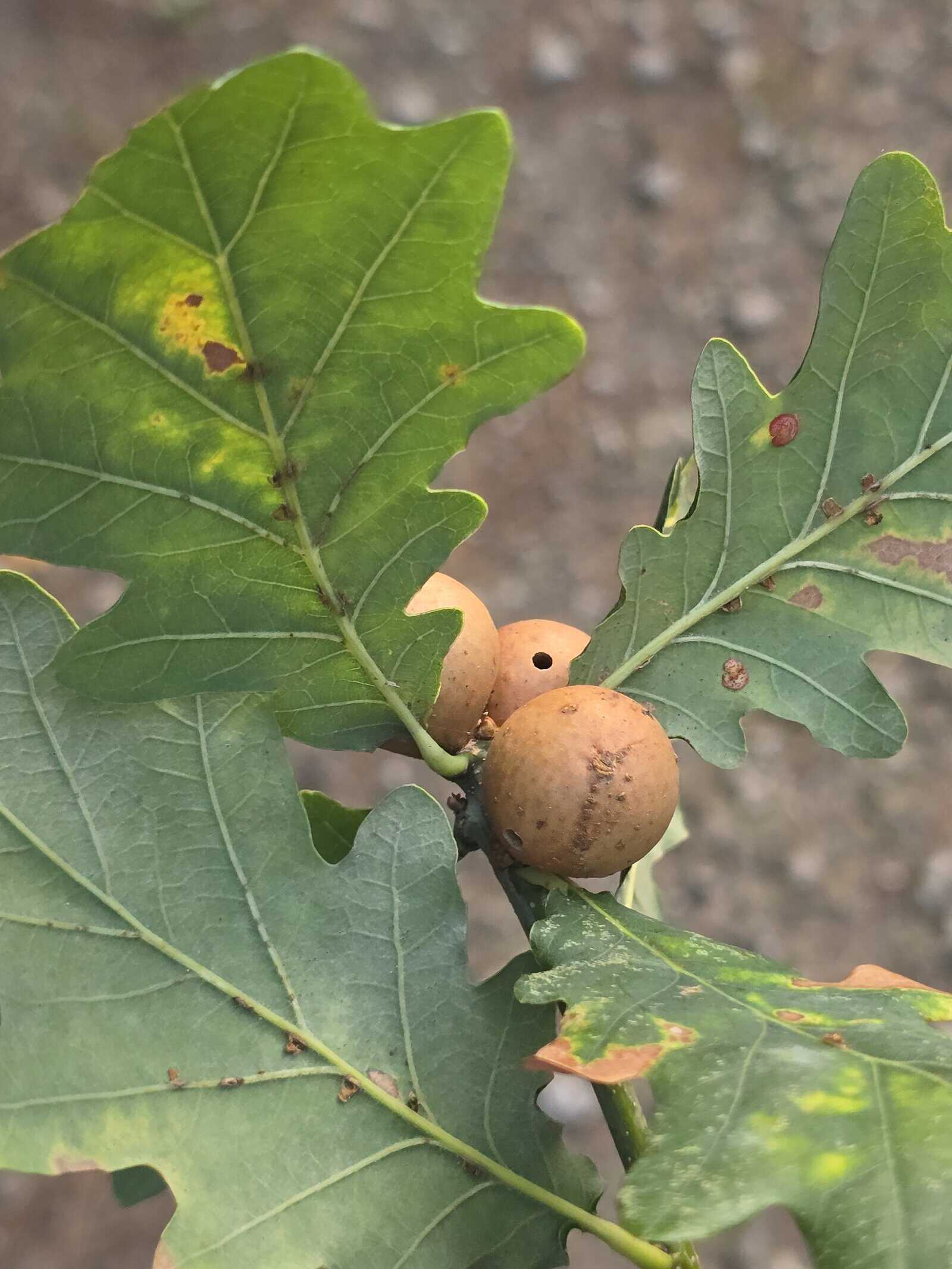
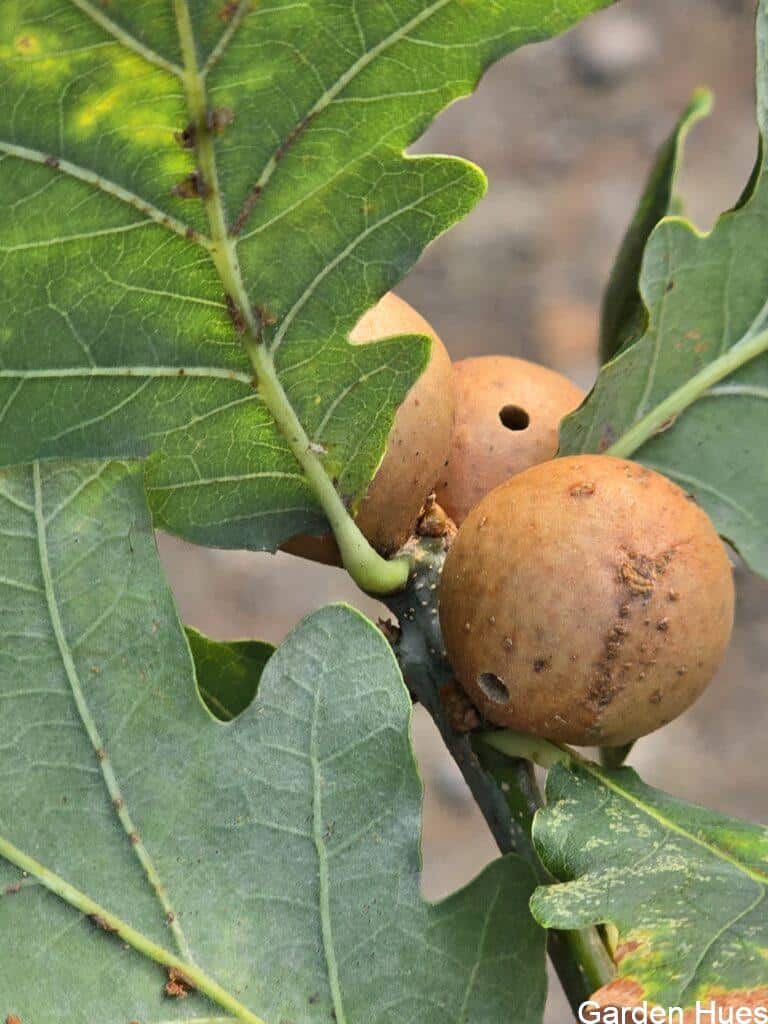
At first glance, you might think you’ve spotted a cluster of acorns on an oak tree — but look closer, and you’ll see something far stranger. These are Oak Marble Galls, perfectly round growths caused by tiny wasps 🐝.
🔍 What Is an Oak Marble Gall?
Oak marble galls are hard, spherical swellings that grow on oak twigs and leaf stems. They’re usually around 2–3 cm in diameter and have a smooth, almost polished appearance — hence the name “marble.”
Each gall is created when the tiny wasp Andricus kollari lays its eggs in developing oak buds. The tree reacts by forming this protective structure, which shelters and feeds the wasp larva inside.
👉 Later in the year, you’ll often notice a small round hole in the gall — this is where the adult wasp has chewed its way out.
🌀 A Fascinating Life Cycle
- Egg Laying: The female wasp injects her eggs into oak buds.
- Gall Formation: The oak responds by growing a perfectly round “marble” around the larva.
- Larval Stage: The grub feeds inside the gall, safe from predators.
- Emergence: The adult wasp eventually leaves, creating the neat exit hole.
The process is a marvel of nature’s engineering — the wasp effectively “hacks” the oak’s growth system to build a nursery for its young.
🌿 When & Where Do They Appear?
- Found on the twigs of oak trees, especially English oak.
- Most noticeable in late summer through winter, when the galls are mature.
- Old galls often remain attached for several years, turning brown and woody.
🌍 Do They Harm the Tree?
While oak marble galls may look dramatic, they rarely cause serious harm to the tree. In fact, they’re part of a long-standing natural relationship between oaks and gall wasps.
However, a very heavy infestation can reduce acorn production and slightly weaken smaller branches.
🪴 Why Gardeners & Nature Lovers Care
- 👀 Curiosity: Their perfect shape makes them one of the most recognisable galls.
- 🐦 Wildlife Value: Galls provide shelter and food for a variety of insects, which in turn support birds and other animals.
- 📚 Educational: A brilliant way to introduce children to the hidden world of plant–insect interactions.
🌟 Final Thoughts
Oak marble galls are one of the most striking galls you’ll come across in British woodlands. Perfectly round, sometimes mistaken for acorns, and marked with a little exit hole when the wasp departs — they’re a reminder of how surprising and inventive nature can be.
So next time you spot a cluster of “acorns” on an oak, take a closer look… you may have discovered the work of a tiny wasp, hidden in plain sight 🌳✨.