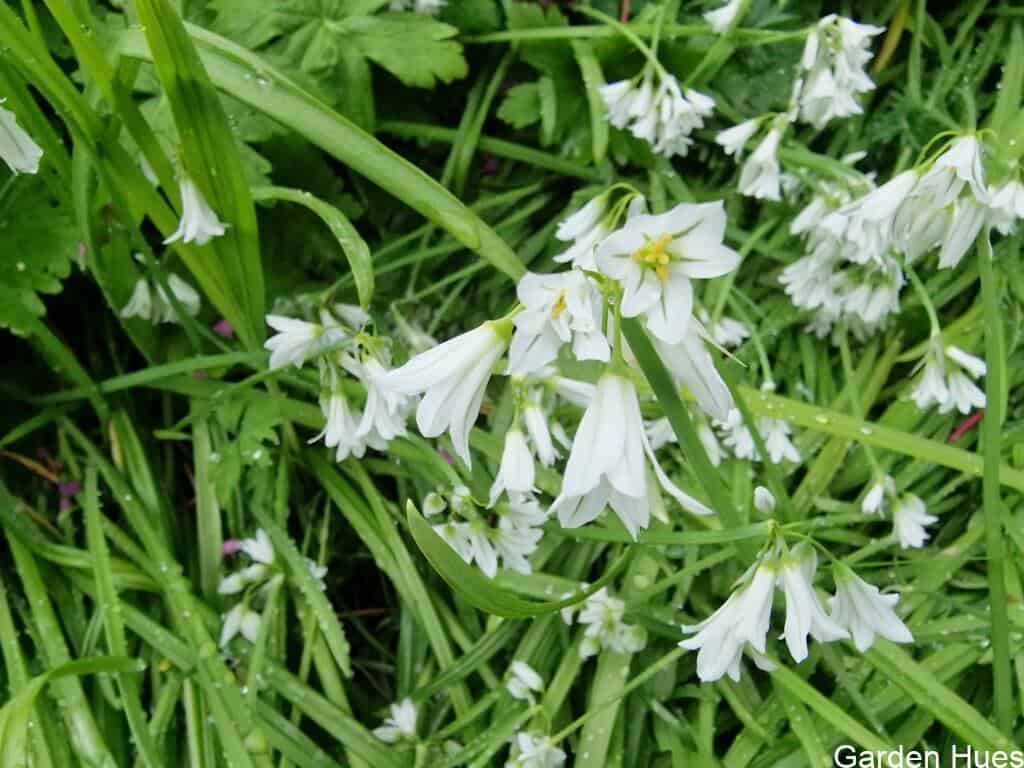
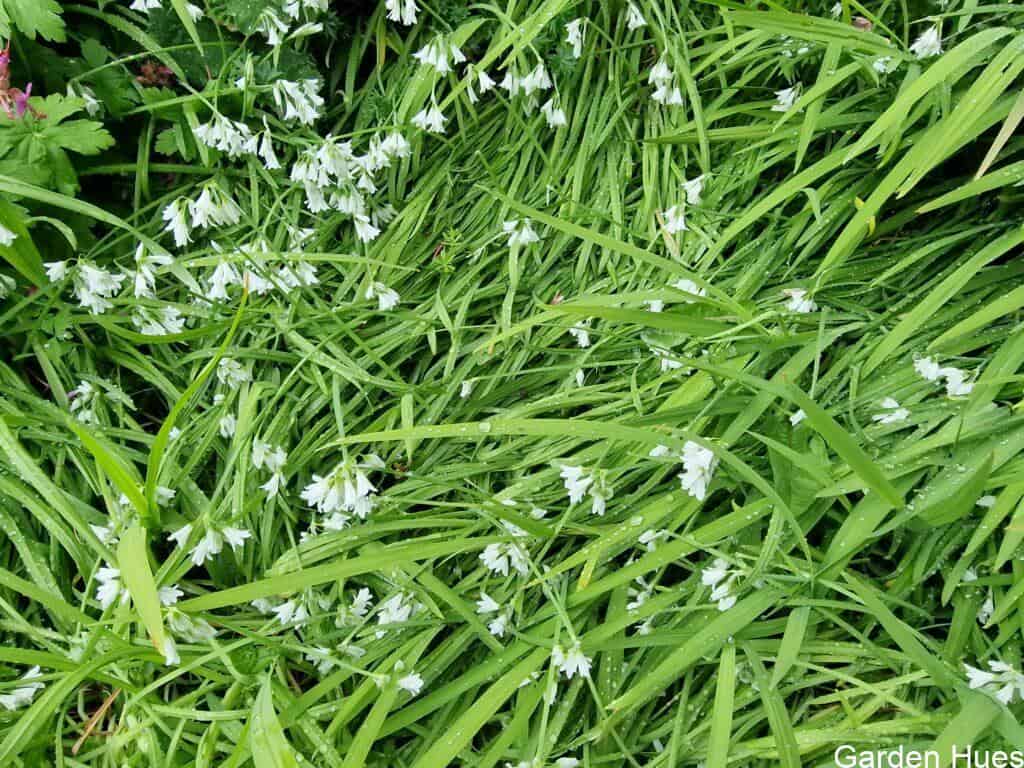
Wild garlic, also known as ramsons or bear’s garlic, is a beautiful and useful plant that’s right at home in UK woodlands, shady gardens and naturalistic planting schemes. With its broad green leaves, starry white flowers and unmistakable garlicky scent, it brings seasonal interest in spring — and it’s loved by both foragers and bees.
What Is Wild Garlic?
Wild garlic (Allium ursinum) is a native plant that thrives in damp, shaded areas. It grows in dense clumps, sending up bright green leaves in early spring, followed by clusters of white, star-shaped flowers from April to June. The leaves, flowers and even bulbs are edible — commonly used in pesto, salads or soups.
Growing Tips for Wild Garlic:
Light: Wild garlic thrives in partial to full shade, making it ideal for woodland gardens, under trees or along shady fences.
Soil: Prefers moist, fertile, well-drained soil with plenty of organic matter. Mimic its woodland habitat for best results.
Watering: It doesn’t need much once established, but keep it damp in dry spells during its growing season.
Planting: You can plant it by seed (which takes time) or by transplanting bulbs or clumps in autumn. It spreads naturally over time.
Maintenance: It’s a low-maintenance plant — just let it die back after flowering. You can mow or remove old leaves in summer when it goes dormant.
Is Wild Garlic Good for Pollinators?
Yes — especially in spring when food sources are still limited. Its nectar-rich flowers attract bees, hoverflies and other early insects, making it a valuable part of a wildlife-friendly garden. Plus, it supports biodiversity by covering bare soil and creating microhabitats for ground-dwelling creatures.
Foraging and Care:
You can harvest the leaves before it flowers (March–April), but take care not to over-pick, especially in wild spaces. If growing in your garden, harvest sparingly to let the patch regenerate. Always make sure you don’t confuse wild garlic with poisonous lookalikes like lily of the valley.
Companion Ideas:
Wild garlic pairs well with other woodland plants like ferns, bluebells, primroses and wood anemones, creating a layered, seasonal look that’s great for wildlife and easy on the eyes.