
🦋 The Decline of Butterflies in UK Gardens – And How We Can Help
In recent years, UK gardens have seen a sharp decline in some of our most loved and familiar butterflies. Species that once fluttered freely across summer lawns and flower borders are now becoming a rarer sight. As gardeners, we have an opportunity—and a responsibility—to play a vital role in reversing that trend.
📉 What’s Happening to Our Butterflies?
According to recent research from conservation groups like Butterfly Conservation, many native UK butterfly species have seen significant declines in both abundance and distribution. The 2024 State of the UK’s Butterflies report highlights that:
- 80% of butterflies have declined in either range or number since the 1970s
- Species like the Small Tortoiseshell, Gatekeeper, and Wall Brown have all seen dramatic drops
- Changes in land use, pesticide use, loss of wild spaces, and climate change are key drivers
And crucially, even garden sightings have dropped. Butterfly Conservation’s Big Butterfly Count found fewer individuals recorded in gardens compared to 10 years ago.
🌿 Why Wild Gardens Matter
The decline isn’t just happening in rural landscapes — it’s happening in our back gardens, parks, and green spaces. With urbanisation and tidy gardening trends taking over, wildlife-friendly habitats are vanishing.
But it doesn’t have to be this way.
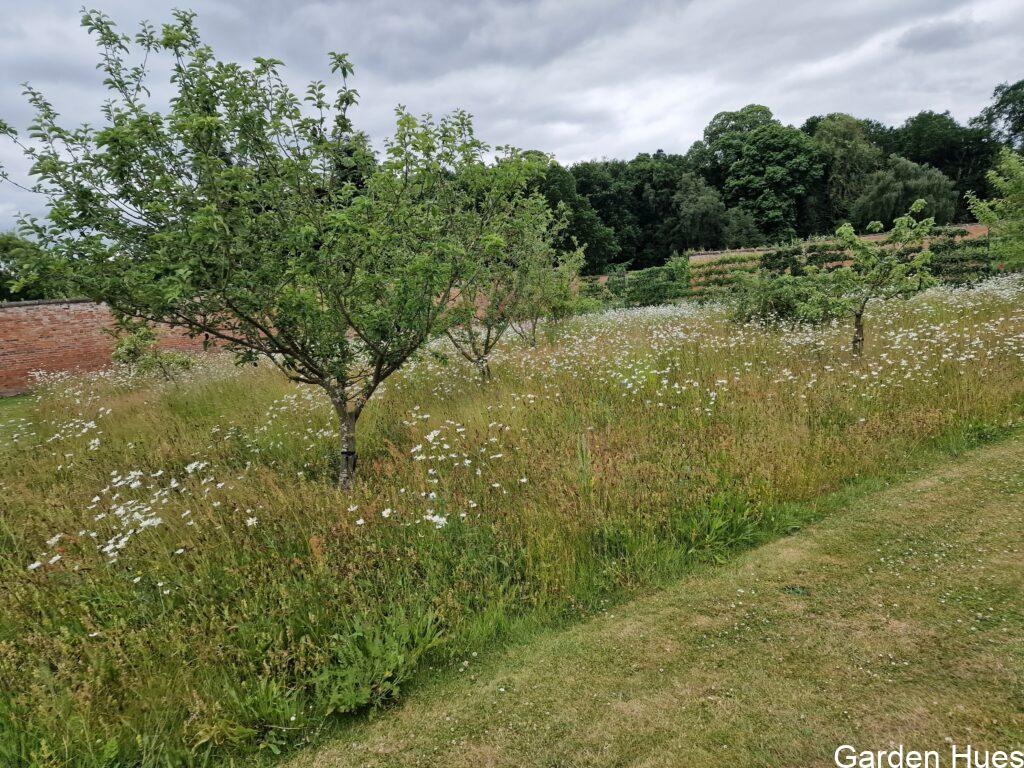
By allowing just part of our gardens to grow a little wild, we can create important pockets of habitat for butterflies, bees, moths, hoverflies, and countless other pollinators.
🌼 How to Support Butterflies & Pollinators in Your Garden
Here are a few simple, powerful things you can do to help native insects and turn your garden into a thriving habitat:
1. Leave a Wild Patch
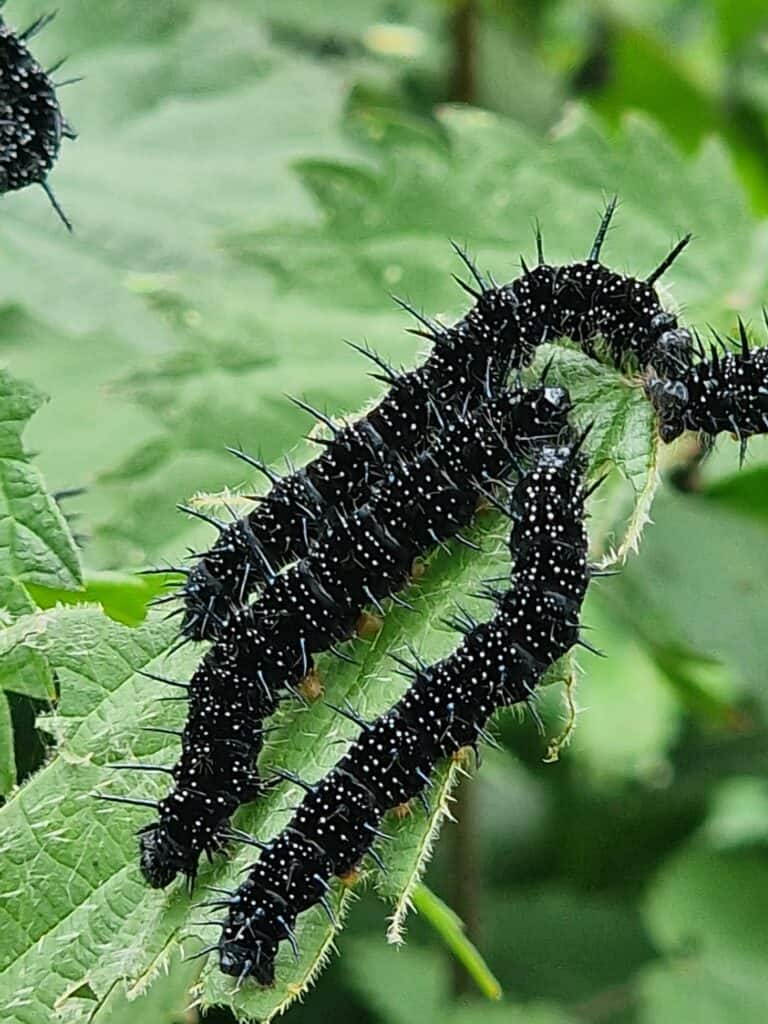
Let an area of your garden go wild – long grass, nettles, brambles, wildflowers – these are vital food plants and shelters for butterflies like the Peacock and Small Tortoiseshell.
2. Plant for Nectar and Larvae
Grow a mix of nectar-rich flowers (like Verbena bonariensis, Echinacea, Buddleja) and food plants for caterpillars (nettles, birds-foot trefoil, grasses). Aim for flowers from early spring to late autumn.
3. Go Peat-Free and Pesticide-Free
Pesticides kill more than just pests. Switching to natural gardening methods and avoiding peat-based composts helps protect soil life and ecosystems.
4. Create a Mini Meadow or Pollinator Border
Even a small area with native grasses and wildflowers can provide a feeding and breeding ground for butterflies.
5. Join the Big Butterfly Count
Each summer, spend 15 minutes counting butterflies in your garden and submitting your data. It’s fun, educational, and contributes to national research.
🐝 A Healthier Garden for Everyone
Gardening in a way that welcomes insects creates a more balanced, beautiful, and resilient space. Butterflies are more than just a pretty addition — they’re a key part of our ecosystem, helping with pollination and serving as food for birds and other wildlife.
By rewilding part of our gardens, even in a small way, we can become part of the solution—and maybe inspire others to do the same.
✨ Want to Know More?
At Garden Hues, we believe in growing beyond limits—creating gardens that are not only beautiful but brimming with life. Stay tuned for more guides on wildlife gardening, pollinator planting, and sustainable practices that support our native species.
🛒 Help Pollinators — One Packet at a Time
If you’re ready to turn your garden into a safe haven for butterflies and bees, we’ve made it easy for you.
🌼 Try our Wildflower Mix for Bees & Butterflies, available now in the Garden Hues shop. It’s packed with UK-native, nectar-rich wildflowers that support pollinators all season long.
Perfect for:
- Wild patches
- Container gardens
- Borders
- Wildlife corners or school gardens
👉 Click here to buy your seed packet and take the first step towards a garden full of life.
Even the smallest patch of wildflowers can make a difference. Together, we can help reverse the decline — one garden at a time.