When space is tight, gardening can feel like a challenge — but it doesn’t have to be. One of the simplest and most rewarding ways to make the most of a small outdoor area is by going up instead of out. Vertical gardening is a fantastic solution that not only saves space, but turns even the plainest fence into a living, changing display of colour and interest.
From Plain Fence to Plant-Filled Feature
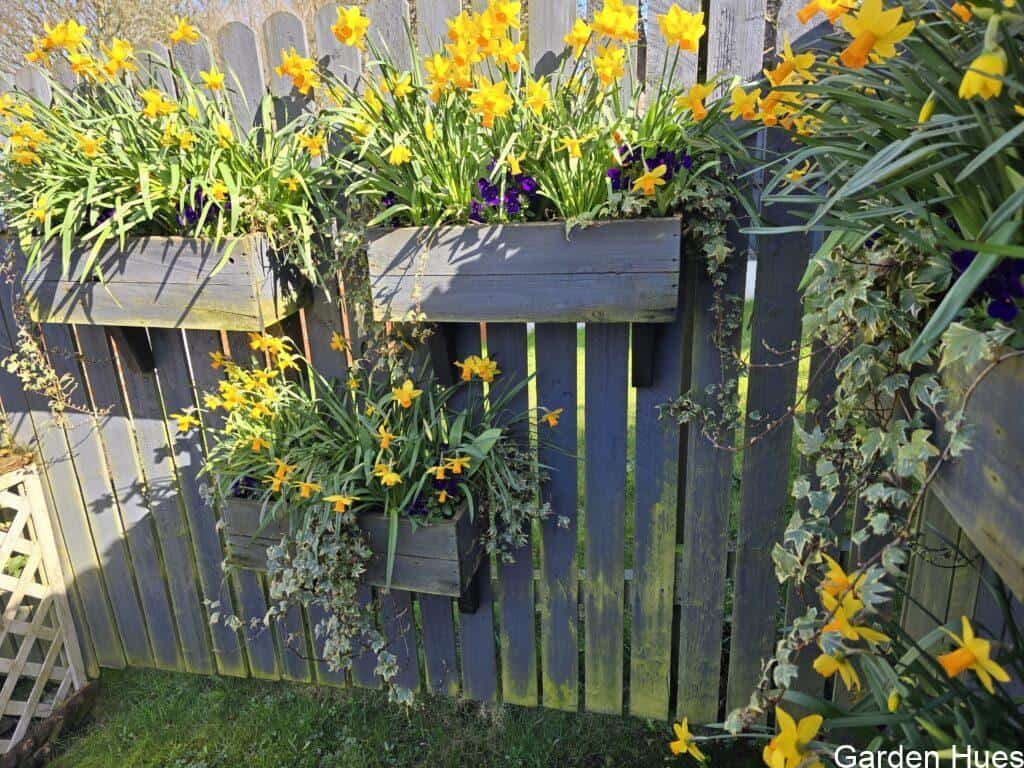
In one small garden I worked on, the only growing space was a stretch of plain grey-painted fence. With no ground beds to work with, the solution was simple: we attached a series of wooden planters directly to the fence panels.
This transformed the area completely — not only did it bring in a much-needed splash of green, but it allowed for a lovely rotation of seasonal planting that made the space feel alive all year round.
Seasonal Stars: What to Plant
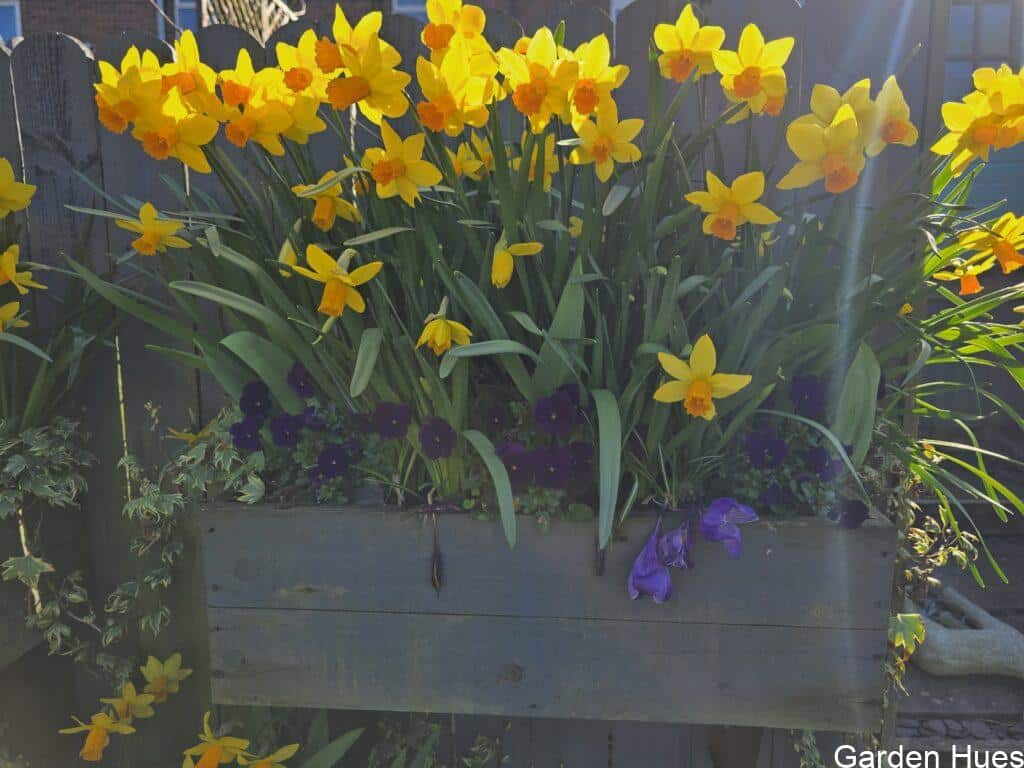
In spring, we filled the planters with Tête-à-Tête and Jetfire Narcissus — both compact daffodils that brighten up early-season days with their bold yellow blooms. These cheerful flowers brought a touch of sunshine to the space before many other plants had even woken up.
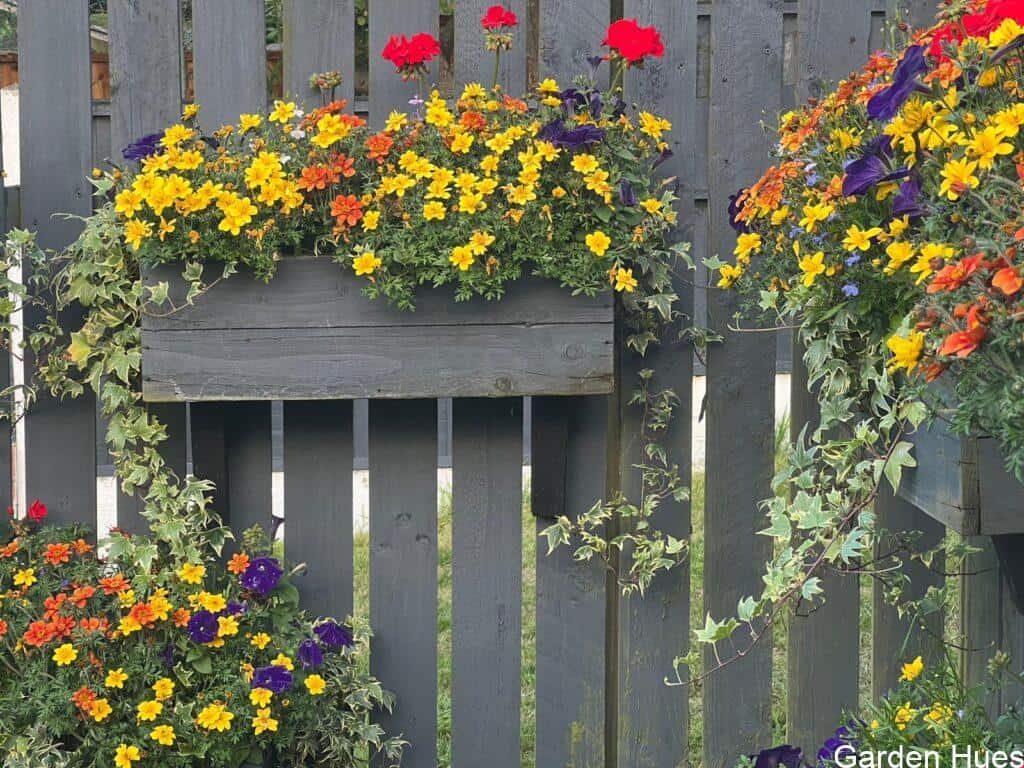
By summer, the planters were a riot of colour thanks to Bidens and Pelargoniums. These are low-maintenance, sun-loving options that cascade beautifully and keep blooming with just a bit of deadheading. They created a vibrant vertical tapestry that brought the fence to life.
And the best part? Two of the planters doubled as mini salad patches — I grew lettuce, rocket, and other salad crops in them one year, proving that you don’t need a big veg patch to enjoy homegrown food.
Why Vertical Gardening Works
- ✅ Makes the most of small or paved spaces
- ✅ Great for renters or those without garden beds
- ✅ Easy to access and maintain
- ✅ Adds seasonal colour and life to bare surfaces
- ✅ Can be decorative, edible — or both!
Tips for Your Vertical Garden
- Make sure your planters are securely attached — use brackets or sturdy screws.
- Choose plants suited to the light your fence gets (sun or shade).
- Use good-quality compost and feed regularly — planters dry out quickly!
- Don’t forget to change things up seasonally to keep it looking fresh.