
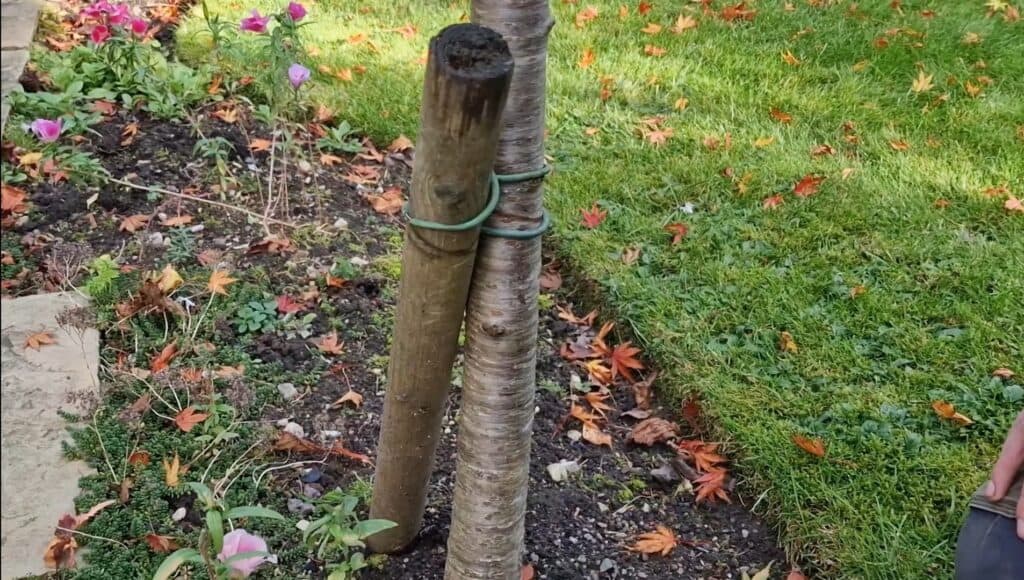
Tied Up? Why Checking Tree Ties Annually is a Must for Healthy Trees
Tree ties are a simple yet essential part of supporting young or newly planted trees. They help stabilize saplings, especially in exposed or windy areas, ensuring they can establish strong roots without being rocked or damaged by movement. But while tree ties are helpful, they can quickly become harmful if left unchecked.
As a gardener, I’ve seen firsthand how neglected ties can dig into tree bark, restrict growth and even cause long-term damage. The good news? A quick annual check can prevent these issues and keep your trees growing strong and healthy.
Why Tree Ties Matter
When you first plant a tree, especially a standard or larger specimen, staking and tying it gives crucial support while the root system establishes. Tree ties secure the trunk to the stake, limiting movement that can disturb roots or cause leaning.
But as the tree grows, its trunk thickens. If the ties are too tight — or simply left for years without adjustment — they can cut into the bark, restrict water and nutrient flow, and even girdle the tree, causing permanent damage or death.
What Can Go Wrong?
- Digging In: The tie becomes too tight, slicing into bark.
- Girdling: The tie restricts the flow of sap, essentially strangling the tree.
- Bark Damage: Friction from a loose or twisted tie can strip or bruise the bark.
- Stake Reliance: If left too long, the tree may never learn to support itself.
When to Check Tree Ties
The best time to check is annually, ideally in late winter or early spring before growth kicks in. At this time, the structure of the tree is visible, and you can easily spot any tightness or damage.
During the check:
- Inspect the tie tension — it should be secure but not tight. You should be able to fit a couple of fingers between the tie and the trunk.
- Look for signs of damage — any indentation or bark abrasion means it’s time to adjust or remove.
- Check the stake — if the tree can stand on its own, it may no longer need support.
- Replace worn or brittle ties with soft, flexible material that won’t cut into bark.
When to Remove Ties Completely
Generally, most trees can be unstaked after 1–2 years, depending on growth and site conditions. If the tree is stable and the trunk is strong, it’s better to remove support so it can move naturally in the wind — this movement helps develop a robust trunk and root system.
Final Thoughts: A Quick Job That Makes a Big Difference
It’s easy to forget about tree ties once they’re on, but taking a few minutes each year to inspect and adjust them can save your tree from serious harm. Whether you’re caring for a garden sapling or managing a larger planting scheme, checking tree ties should be part of your annual maintenance routine.
It’s a small job — but one that can make all the difference in ensuring your trees grow tall, strong and healthy for years to come.
👉 Check out our YouTube video on proper tree tie care and removal here: [https://www.youtube.com/watch?v=57VawgeayR4]